CBSA OFFICER INTERVIEW PREPARATION
CBSA Interview Coaching & Preparation
Prepare for your CBSA interview with personalized one-on-one coaching from former CBSA officers and experienced law-enforcement interview coaches. Practise realistic CBSA interview questions and role-play scenarios, strengthen the six competencies assessed by CBSA, and complete a full CBSA mock interview with detailed feedback.
- Personalized One-on-One Coaching
- Situational and Role-Play Preparation
- Full Mock Interview With Detailed Feedback
- Former CBSA Officers and Experienced Recruiters
- Five Star Verified Trustpilot Reviews
- Mock Interviews with Personalized Feedback
- 100+ 5-Star reviews on Trustpilot
- Thousands of Candidates Coached
- 100% Canadian Owned and Operated
- Former CBSA Officers, Recruiters & HR Experts
The People behind anEDGE
National Experience.
Personal Accountability.
anEDGE brings together a national team of 13 former municipal police, RCMP, OPP and CBSA professionals, alongside specialists in human resources and organizational leadership.
Our national team combines frontline service, senior command and recruitment experience to provide applicants with structured, professionally informed coaching and evaluation.
Experience across ranks and agencies
Our team includes former Deputy Chiefs, Staff Sergeants and Sergeants, bringing perspectives from operational policing, supervision and senior leadership across Canadian law enforcement.
First-hand recruitment expertise
Former senior RCMP and CBSA recruiters, together with municipal police recruitment professionals, bring direct experience assessing applicants and examining the evidence behind their responses.
Professional judgment within a structured framework
anEDGE coaches use structured competency frameworks, interview rubrics and evidence-based methods to help applicants identify strengths, gaps and areas to develop before entering a competitive hiring process.
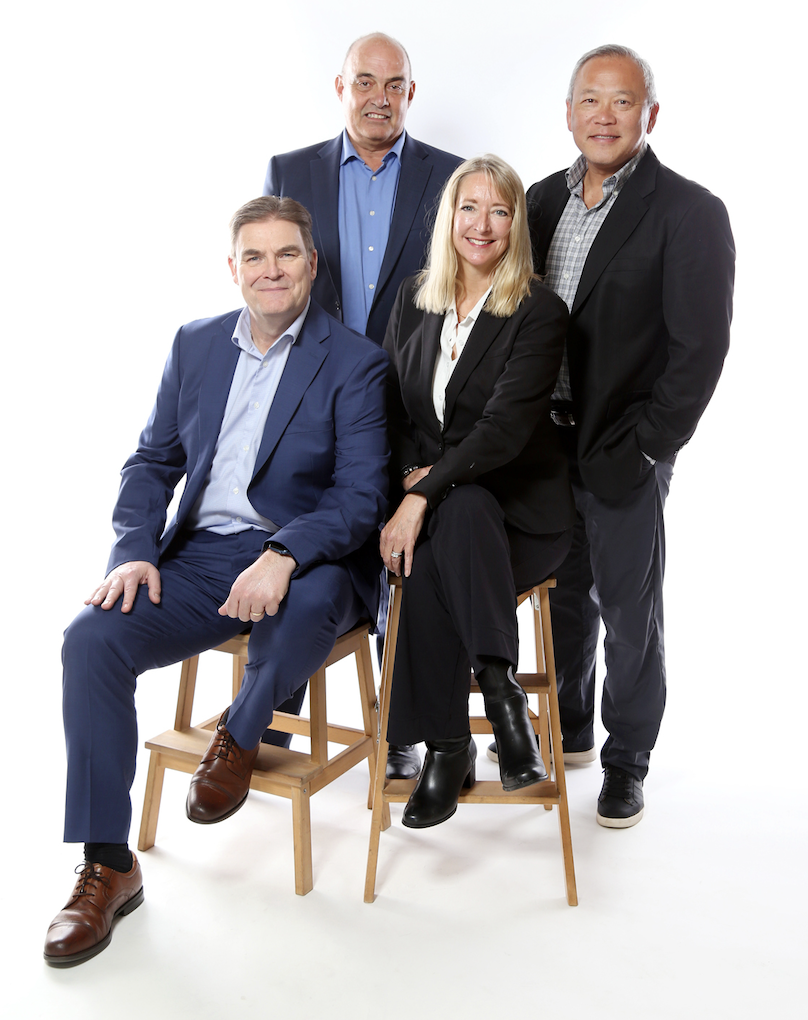
Our senior leadership team
How the CBSA Interview Works
The CBSA officer trainee interview is not a standard question-and-answer interview. It uses structured situational questions and interactive role-play scenarios to assess how you think, communicate and make decisions under pressure.
CBSA currently identifies six competencies assessed during the interview:
- Dealing With Difficult Situations
- Decisiveness
- Effective Interactive Communication
- Judgment
- Personal Integrity
- Values and Ethics
Successful preparation is not about memorizing scripted answers. You must learn how to identify the central issue, assess relevant risks, explain a sound course of action and demonstrate the required competencies naturally as each scenario develops. anEDGE coaching helps you understand what the assessors are measuring, practise realistic situations and strengthen your judgment, communication and composure before the actual interview.
WHY PREPARATION MATTERS
Why the CBSA Interview Requires Specialized Preparation
The CBSA interview is different from a conventional employment interview. Candidates must respond to unfamiliar situations, make decisions with limited information and communicate their reasoning while remaining professional under pressure. Memorizing answers is not enough. Strong performance requires you to understand what each scenario is assessing and demonstrate sound judgment, integrity and effective communication as the interaction develops.
Think and Respond in Real Time
Situational questions require you to quickly identify the central issue, consider relevant risks and determine an appropriate course of action.
Explain the Reasoning Behind Your Decisions
Interviewers assess more than your final answer. You must clearly explain why you chose a particular response and how you would carry it out.
Communicate Professionally Under Pressure
Your tone, clarity, listening skills and ability to remain composed can be just as important as the decision you make.
Demonstrate Multiple Competencies
A single question or role-play scenario may assess several CBSA competencies at once. Successful candidates learn how to demonstrate them naturally without sounding scripted.
PERSONALIZED ONE-ON-ONE PREPARATION
What Your CBSA Interview Coaching Includes
Every applicant enters the interview with different strengths, experience and preparation needs. Your coaching is personalized to help you understand the CBSA interview format, correct weaknesses and perform confidently under realistic interview conditions.
Personalized Preparation Plan
Your coach identifies your current strengths, development areas and interview timeline so your preparation can focus on what will help you most.
Situational Interview Strategy
Learn how to identify the central issue, assess competing risks and explain a logical, professional course of action.
Interactive Role-Play Practice
Practise realistic interactions that develop your listening skills, composure, questioning technique and ability to respond as a situation changes.
Competency-Based Preparation
Understand the six competencies assessed by CBSA and learn how to demonstrate them clearly without forcing or scripting your responses.
Communication Under Pressure
Improve your structure, pacing, clarity and professional presence while learning to remain composed during challenging questions.
Full CBSA Mock Interview and Feedback
Complete a structured CBSA mock interview and receive direct, personalized feedback identifying what you did well and what must be corrected before the actual interview.
WHAT CBSA ASSESSES
The Six CBSA Interview Competencies
CBSA uses six published competencies to evaluate officer trainee applicants during the interview. Understanding what each competency means is essential because a single situational question or role-play exercise may allow interviewers to assess several competencies at the same time.
Dealing With Difficult Situations
Remain calm and professional when facing conflict, resistance or uncertainty. Strong responses address the central issue while considering safety, fairness and the people involved.
Decisiveness
Make timely and reasonable decisions using the information available. Candidates should avoid unnecessary hesitation while still considering risks and possible consequences.
Effective Interactive Communication
Listen carefully, ask appropriate questions and communicate information clearly and respectfully. Your approach should adapt as the interaction develops.
Judgment
Identify relevant facts, assess risks and priorities, and choose a sensible course of action. You should also be able to explain the reasoning behind your decision.
Personal Integrity
Demonstrate honesty, accountability and consistency, particularly when facing pressure or an uncomfortable decision. Strong candidates accept responsibility for their actions.
Values and Ethics
Act fairly, respectfully and impartially while recognizing the professional responsibilities associated with public service and border enforcement.
Strong preparation helps you recognize which competencies are being assessed and demonstrate them naturally through your decisions, communication and conduct.
YOUR PREPARATION PATH
How anEDGE CBSA Interview Coaching Works
Our process is structured around your interview timeline, existing experience and individual development needs. You receive personalized coaching—not generic scripts or prerecorded interview advice.
1
Complimentary Consultation
Tell us about your upcoming CBSA interview, available preparation time and the areas where you need support. We will help you select the most appropriate coaching option.
2
Personalized Coaching Strategy
Your coach identifies your strengths and development areas and establishes the priorities for your preparation.
3
Guided Situational and Role-Play Practice
Work through realistic situations while developing a reliable method for identifying issues, assessing risks and communicating professional decisions.
4
Direct Feedback and Corrections
Receive immediate, constructive feedback on your judgment, communication, composure and ability to demonstrate the six CBSA competencies.
5
Full CBSA Mock Interview
Candidates completing the full preparation program finish with a structured mock interview. You will perform under realistic conditions and receive final feedback before your actual interview.
PERSONALIZED INTERVIEW COACHING OPTIONS
Choose the Right Level of Interview Preparation
Every candidate enters the interview process at a different stage. Whether you need help developing stronger competency examples, refining your interview responses or completing a realistic mock interview, choose the level of personalized coaching that best matches your needs.
All coaching is delivered live, face-to-face through Microsoft Teams, providing realistic interview practice and immediate feedback from anywhere in Canada.
Foundational CBSA Interview Coaching
One 90-Minute Private 1:1 Session
$275
A personalized 1:1 coaching session tailored to your immediate CBSA interview preparation needs.
• Guidance on the CBSA interview format
• Targeted situational and role-play practice
• Feedback on your decision-making and communication
• Direct corrections and clear next steps
Best for: CBSA applicants who need focused support in a particular area or have limited time before their interview.
Most Popular
Focused CBSA Interview Preparation
Two 1:1 One-Hour Coaching Sessions Plus a Full Mock Interview
$475
A progressive three-session program that strengthens your approach to CBSA situational questions and interactive role-play exercises.
• Initial assessment and personalized preparation plan
• Two private CBSA coaching sessions
• Practice connected to the six CBSA competencies
• Decision-making and communication development
• Full CBSA mock interview with final feedback
Best for: CBSA applicants who want structured preparation, time to improve and a realistic assessment before their interview.
Comprehensive CBSA Interview Preparation
Three 1:1 One-Hour Coaching Sessions Plus a Full Mock Interview
$650
A progressive four-session program providing additional time to strengthen your judgment, communication and performance under pressure.
• Initial assessment and personalized preparation plan
• Three private CBSA coaching sessions
• Deeper preparation across the six CBSA competencies
• Situational, role-play and follow-up practice
• Communication, composure and decision-making development
• Full CBSA mock interview with final feedback
Best for: CBSA applicants who want more extensive practice and the highest level of personalized preparation before their interview.
Unsure which package you need or how anEDGE can best help you?
EXPERIENCED. PERSONALIZED. PRACTICAL.
Why CBSA Applicants Choose anEDGE
Effective CBSA interview preparation requires more than a list of possible questions. Applicants need realistic practice, professional feedback and a clear understanding of how their decisions and communication demonstrate the competencies assessed by CBSA. anEDGE provides live, personalized coaching delivered by former CBSA officers and experienced law-enforcement interview professionals who understand the expectations placed on applicants entering high-trust public-safety roles.
Relevant Interview Experience
Prepare with professionals who understand structured law-enforcement interviews, competency assessment and the demands placed on CBSA officer applicants.
Live, Personalized Coaching
Every session is conducted one-on-one and adapted to your interview timeline, previous experience and specific development needs.
Practice Instead of Scripts
We do not teach applicants to memorize rehearsed answers. You learn how to analyze unfamiliar situations, communicate your reasoning and respond naturally as a scenario develops.
Direct and Constructive Feedback
Your coach identifies missed issues, unclear reasoning and communication weaknesses that can be difficult to recognize when practising alone.
Realistic Mock Interview Experience
The complete program allows you to test your preparation under structured interview conditions before your actual CBSA assessment.
Convenient Preparation Across Canada
Coaching is delivered online through MS Teams, allowing CBSA applicants across Canada to work directly with an experienced interview coach.
Trusted by Canadian Police Applicants Nationwide
14 May, 2026
Amazing Experience- Interview Prep
Amazing experience, tailored the prep to what I needed. Extremely happy with the end result and I recommend their serivces. They will help you get the edge you need.
Andy
Ontario
11 Aug, 2026
I used Anedge coaching for both theOTEE…
I used Anedge coaching for both theOTEE test and interview preparation for my CBSA recruitment process and it helped me navigate the process smoothly with proper guidance of what is required and important to focus on.Highly recommend for aspirants.
Vini Bin.
Vancouver
8th July , 2026
The best decision I’ve made is to…
The best decision I’ve made is to consult AnEdge, Kevin is awesome, so as his team and use this for all hiring steps and did not miss one. I am delighted for their existence!
Mimi
Ontario
25th June, 2025
Exactly the Confidence Boost I Needed
I had a great experience working with anEDGE to prepare for my CBSA interview. I reached out on pretty short notice before my interview, but Paul was flexible with his schedule and made it work, which I really appreciated.
The coaching was personalized, and instead of just giving me answers to memorize, Paul helped me understand how to structure my responses and think through the interview questions. I walked into my interview feeling confident and prepared. I’d definitely recommend anEDGE to anyone getting ready for a law enforcement interview.
Stathi P
Edmonton
15th June, 2026
Interview coaching and practice
The interview coaching and practice that anEDGE provides is extremely helpful. I had the pleasure of having a 1.5-hour session with Paul, and he was extremely helpful in preparing me for what to expect on my upcoming CBSA interview. The amount of information received is phenomenal, and I would highly recommend these coaching methods to anyone who has a serious interest in law enforcement. The price is more than fair with the amount of information that is given. Overall, anEDGE is an extremely caring company that strives for its clients’ success.
Taylor S
Ontario
3rd June 2026
I took a 3-session package
I took 3 session package. 2 coaching sessions and 1 full mock interview. I was preparing for edmonton police BDI interview. I found these coaching sessions really helpful, and passed my interview. I was told to focus on few things by my mentor from anedge. Thats exactly what was asked in the interview.
Gagan S
Ontario
18 Feb, 2026
Excellent experience with anEDGE
Excellent experience with anEDGE! I highly recommend this team to anyone preparing for professional exams. Thanks to their well-structured practice tests and the support provided through email exchanges, I successfully passed both of my exams within just two weeks: the Correctional Service exam and the Border Services exam. A huge thank you to the entire team for their professionalism and responsiveness. Special thanks to Mr. Kevin and Ms. Shana for their prompt replies, support, and professionalism. Your help truly contributed to my success. Thank you so much!
Herve
Ontario
20 Jun, 2026
Thank you anEDGE
Thank you so much Kevin, Elaine and the whole organization of anEDGE for helping me to pass the RCMP Suitability interview.
Elaine is an exceptional tutor. I learned exactly how to structure my answers using the STAR method. The practice questions perfectly mirrored the actual RCMP competency based behavioral and situational format. The feedback was honest, direct and highlighted even the small errors in my answers which I never would have noticed. Also, the mock interview really helped me to eliminate all my anxiety before the actual interview. I highly recommend anEDGE to anyone aspiring to a career in law enforcement.
AS
Winnipeg
CBSA Interview and Applicant Resource Centre
Explore practical CBSA resources covering interview preparation, the selection process, applicant timelines and psychological assessment.
Have you received your CBSA interview date?

Frequently Asked Questions
What questions are asked in a CBSA interview?
CBSA interview questions are designed to assess how you make decisions, communicate and respond under pressure. Candidates should prepare for situational questions, interactive role-play exercises and possible questions about their motivation, experience and suitability for the Border Services Officer role. Ethical concerns, difficult interactions and competing priorities may all form part of a scenario.
How should I prepare for a CBSA interview?
Begin by studying the six competencies published by CBSA and understanding how they apply to the work of a Border Services Officer. Practise analyzing unfamiliar situations, explaining your reasoning and communicating professionally under pressure. Interactive role-play practice and a structured mock interview can identify weaknesses that are difficult to recognize when preparing alone.
What should I expect during the CBSA officer trainee interview?
The CBSA officer trainee interview is a structured assessment rather than an informal conversation. You should be prepared to respond to situational questions, participate in role-play exercises and explain how you would handle realistic professional challenges. Interviewers assess both your decisions and how you communicate your reasoning.
Is the CBSA interview behavioural, situational or role-play based?
Candidates should prepare primarily for situational and role-play questions, although behavioural, motivational or general suitability questions may also be included. Situational questions ask what you would do, while behavioural questions ask about something you have done previously. Role-play exercises require you to interact with another person as though the situation were actually occurring.
What are the six CBSA interview competencies?
The six competencies currently identified by CBSA are dealing with difficult situations, decisiveness, effective interactive communication, judgment, personal integrity, and values and ethics. Interview responses may allow assessors to evaluate several competencies at the same time.
How is the CBSA interview scored?
Responses are assessed against established criteria connected to the six CBSA interview competencies. Interviewers consider the quality of your decisions, reasoning, communication and conduct rather than simply looking for particular words. CBSA advises applicants whether they pass or fail but does not provide detailed feedback on their performance.
What happens during a CBSA role-play interview?
You may be given background information and asked to interact with another person as though you were handling a realistic professional situation. Assessors observe how you gather information, listen, communicate, maintain composure and respond as the interaction develops. Successful performance requires active participation rather than simply describing what you would do.
How should I answer CBSA situational interview questions?
Start by identifying the central issue, the people affected and any immediate safety, legal or ethical concerns. Explain what additional information you would seek, what action you would take and why that response is reasonable. Your answer should also address communication, escalation, documentation or follow-up when appropriate.
Should I use the STAR method in a CBSA interview?
STAR is useful for behavioural questions that ask about a past experience. It is not always appropriate for situational questions or interactive role-play exercises, which require real-time analysis and communication. Applicants should understand several response structures instead of forcing every answer into STAR.
What are the most common CBSA interview mistakes?
Common mistakes include rushing into a decision, making unsupported assumptions, missing safety or ethical concerns and failing to explain the reasoning behind an answer. Candidates may also become overly passive, unnecessarily confrontational or too dependent on memorized responses. Weak listening and disorganized communication can also reduce the effectiveness of an otherwise reasonable decision.
How can a CBSA mock interview improve my performance?
A mock interview allows you to practise under structured, interview-like conditions before the actual assessment. It can reveal unclear reasoning, missed risks, ineffective communication and problems with pacing or composure. Personalized feedback then gives you an opportunity to correct those weaknesses.
Do I need previous CBSA or border-enforcement experience?
You do not need to have previously worked for CBSA or another enforcement agency. However, you should understand the general responsibilities of a Border Services Officer and the importance of integrity, sound judgment, public safety and respectful communication. Preparation should focus on demonstrating the published competencies through your reasoning and conduct.
When should I start preparing, and how many coaching sessions do I need?
Begin preparing as soon as you receive notice that you have progressed to the interview stage. A focused 90-minute session may be appropriate for an applicant with limited time or a specific weakness. Candidates seeking comprehensive development generally benefit from two progressive coaching sessions followed by a full mock interview.