
Understand how psychological assessments are evaluated in Canada and how to prepare effectively for this stage of the hiring process.
Police Psychological Assessment Preparation
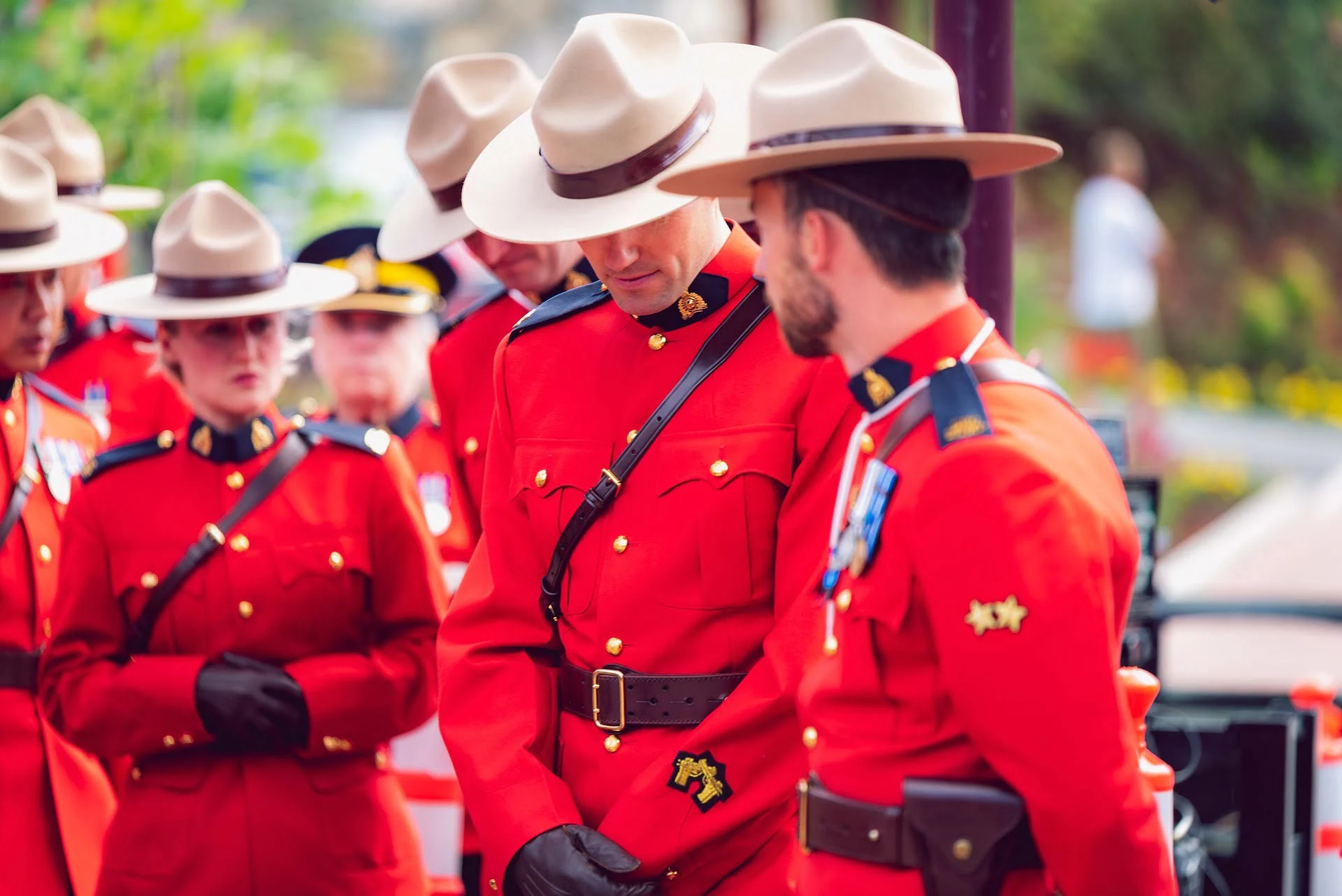
RCMP CBSA OPP & Municipal Police
We only work with candidates currently in the hiring process or approaching the psychological assessment stage.
Trusted by Canadian Law Enforcement Applicants Preparing for Hiring Processes
Police Psychological Assessment: What You Need to Know
Preparing for a police psychological assessment is about understanding how you are being evaluated—not trying to “pass a test.” At this stage of the hiring process, agencies such as the RCMP, CBSA, and municipal police services are assessing your overall suitability for the role. This includes how you think, how you respond to situations, and how consistently you present yourself across different types of questions. Our approach focuses on helping you understand what to expect, how assessments are structured, and how to avoid common mistakes that can impact your results.
What Assessors Are Evaluating
Psychological assessments are designed to evaluate key traits required for law enforcement roles. These are not based on a single answer, but on patterns across your responses. Assessors are typically looking at:
- Judgment and decision-making
- Emotional stability under pressure
- Integrity and honesty
- Consistency in responses
- Interpersonal awareness and communication
Strong candidates are not perfect—they are consistent, self-aware, and aligned with the role’s expectations.
How Psychological Assessments Are Structured
Most police psychological assessments in Canada include a combination of written questionnaires and a review by a licensed professional. These assessments are designed to:
- Measure personality traits relevant to the role
- Identify patterns in how you respond across questions
- Evaluate consistency and authenticity
- Support a broader suitability decision within the hiring process
Rather than focusing on specific tests or formats, preparation should focus on understanding how responses are interpreted and ensuring you approach the process with clarity and consistency.

What Happens During the Psychological Assessment Stage
The psychological assessment stage is designed to evaluate your overall suitability for a law enforcement role. This includes how you think, how you respond to different situations, and how consistently you present yourself across the process.
While the exact format may vary between agencies, most assessments include written components and a review by a licensed professional as part of the final hiring decision.
👉 In the Hiring Process? Learn How to Prepare.
We work with candidates who are currently in the hiring process or approaching the psychological assessment stage.
Professional Disclaimer
Our coaching is not a shortcut or a clinical service. We strictly adhere to professional standards and do not attempt to bypass, manipulate, or “trick” the assessment process. We do not provide clinical advice or licensed psychological services. This is a preparation resource grounded in real police experience and professional standards, designed solely to help you understand the process and maximize your confidence.
See what candidates say about anEDGE!
13 Jan, 2025
If you are serious about a career in law enforcement, then look no further because the team at AnEDGE has been an incredible help. If you have a lot of good work and life experience it can be difficult at times articulating the competencies Law Enforcement agencies look for in the STAR format. Thanks to anEDGE I felt I was well prepared going into every interview and had the best support at every step of the process. They were very flexible and accommodating in scheduling times to meet over teams. I cannot thank Gerald, Kevin, and the entire team enough for their support.
Taylor B.
Calgary
21 Feb, 2025
anEDGE really delivered. This team is amazing. They coached me successfully through my entire RCMP Recruiting Process, was successfully hired.
Alan B.
Vancouver
17 Mar, 2025
I wish I had discovered this team earlier in my journey. The coaching and resources they made available to me saved my application.
James T.
Edmonton
07 May, 2025
There was never a moment I did not feel prepared for RCMP Recruiting Process. anEDGE made me a better more confident recruit. Highly recommended.
Gabriella B.
Edmonton
17 July, 2025
Grant From Manitoba – if you are motivated to begin your career in policing and know you have great work/life experience but are not sure how to articulate your competencies in the STAR format, you’ve come to the right place. I reached out to anEDGE, thinking I had weeks to prepare, and found out days later my interview would be in 7 days. I was still trying to figure out if I should spend the money on the process. I have to say that the decision to work with Kevin and Paul offered invaluable advice and assistance in preparing for the RCMP interview. If you have any doubt, take advantage of the free consultation and you will not regret it—best of luck to all applicants and many thanks to Kevin and Paul at anEDGE.
Grant.
Manitoba
12 Aug, 2025
Hi Tyra, it’s Mike K I hope you didn’t forget about me just yet 😂
I wanted to thank you, Kevin, Paul, Karen, and your whole organization at anEDGE once more from the bottom of my heart!
You all allowed me to pursue my career goals, and I don’t know if I could’ve done it without your expertise and guidance! You’ve been amazing mentors, and I am humbled by your support!
I sincerely appreciate the mentorship and coaching you’ve given me, and I wish you all the best no matter where life takes you!
Sincerely Michael- K♥️
Michael
Ontario
18 Feb, 2025
I highly recommend anEdge Interview Coaching for anyone preparing for the CBSA Officer Trainee (FB-02) interview. Elaine was an exceptional coach who provided me with the guidance, structure, and confidence I needed to succeed. Her in-depth knowledge of the CARL method and CBSA’s competencies helped me refine my responses and effectively showcase my skills and experience.
Through personalized coaching, Elaine identified areas for improvement and provided invaluable feedback that strengthened my interview performance. Her support, encouragement, and strategic approach made a significant difference. Thanks to her expertise, I passed my CBSA interview!
If you’re serious about succeeding in the CBSA selection process, anEdge Interview Coaching is the way to go!
Rajdeep Kaur
Ontario
20 Jun, 2025
I hired anEDGE to help me prepare for my panel interview, and I couldn’t be more impressed with the experience. Elaine, my designated mentor, was absolutely fantastic. With just three weeks to prepare, she guided me every step of the way, and thanks to her expertise, I was able to walk into the interview confident and well-prepared. One of the most valuable aspects of the process was the mock panel interview anEDGE conducts beforehand. Not only did I receive insightful feedback, but it also gave me a chance to face my nerves head-on before the real thing. I highly recommend anEDGE and Elaine for anyone looking to take their interview preparation to the next level.
Kelsey S.
Winnipeg
Frequently Asked Questions
What is the Police Service Psychological Assessment?
The Police Service Psychological Assessment is a mandatory evaluation that measures your emotional stability, integrity, and overall suitability for policing. It often includes standardized written tests, an oral interview, and in some cases, additional clinical questionnaires.
Why do Police Services require a psychological assessment?
Police Services need to ensure that candidates have the mental resilience, judgment, and interpersonal skills necessary for the demands of law enforcement. The assessment helps reduce risks and supports long-term success in the role
What can I expect during my Municipal Police psychological assessment?
You can expect a written test (such as the MMPI or similar standardized assessments) and a one-on-one oral interview with a licensed psychologist who evaluates your personality, stress management, and decision-making
How can Police Service Psychological Assessment coaching help me?
Coaching prepares you for the format, expectations, and mindset required to perform confidently. It ensures you understand what evaluators are looking for while helping you avoid common mistakes.
What types of tests are included in a Police Service psychological evaluation?
Most assessments include standardized psychological inventories such as the MMPI-2, CPI, or 16PF, along with written questionnaires and structured oral interviews.
How should I prepare for the oral psychological interview?
Prepare by practicing self-awareness, clear communication, and honesty. Coaching helps you anticipate common interview themes and respond with confidence and professionalism.
What is the MMPI, and why is it important?
The Minnesota Multiphasic Personality Inventory (MMPI) is one of the most widely used psychological tests in law enforcement recruitment. It measures personality traits and flags areas of potential concern for policing suitability.
How can I practice for a Police Service psychological test?
The Minnesota Multiphasic Personality Inventory (MMPI) is one of the most widely used psychological tests in law enforcement recruitment. It measures personality traits and flags areas of potential concern for policing suitability.
Can coaching improve my chances of passing the assessment?
Yes. Coaching doesn’t change your psychological profile but ensures you understand the process, avoid unnecessary mistakes, and present yourself in the best possible way.
How soon should I start Police Service Psychological Assessment preparation?
It’s best to begin as soon as you’re in the recruitment process. Early preparation allows you to build confidence and avoid being caught off guard
How soon should I start Police Service Psychological Assessment preparation?
It’s best to begin as soon as you’re in the recruitment process. Early preparation allows you to build confidence and avoid being caught off guard
Should I answer psychological test questions honestly?
Yes. The assessments are designed to detect dishonesty or inconsistencies. Coaching teaches you how to remain genuine while still demonstrating professionalism.
How long does a Police Service psychological assessment take?
The written portion can take several hours, depending on the tests used. The oral interview typically lasts 60–90 minutes
What qualities are assessors looking for in police applicants?
They look for emotional resilience, honesty, maturity, stress tolerance, sound judgment, and the ability to handle authority and conflict responsibly.
How should I conduct myself during the psychological interview?
Remain calm, professional, and authentic. Demonstrate respect, maturity, and self-awareness in your responses. Coaching helps you refine these skills.
Is failing a Police Service psychological assessment permanent?
Not always. Some services allow applicants to reapply after a waiting period, but repeated failures may affect eligibility. Coaching can help you succeed on your next attempt.
How does the psychological assessment differ between Police Services?
Not always. Some services allow applicants to reapply after a waiting period, but repeated failures may affect eligibility. Coaching can help you succeed on your next attempt.
Can I prepare for the MMPI specifically?
Not always. Some services allow applicants to reapply after a waiting period, but repeated failures may affect eligibility. Coaching can help you succeed on your next attempt.
What role does emotional intelligence play in the assessment?
Emotional intelligence—self-awareness, empathy, and managing emotions—is key. Assessors want to ensure you can handle high-pressure situations calmly and constructively.
What role does emotional intelligence play in the assessment?
Emotional intelligence—self-awareness, empathy, and managing emotions—is key. Assessors want to ensure you can handle high-pressure situations calmly and constructively.
Why choose professional Police Service Psychological Assessment coaching?
Because experienced coaching gives you clarity, guidance, and practice, ensuring you approach the assessment with professionalism, composure, and the best chance of success.