- How do I become a police officer in British Columbia?
- What qualifications do I need?
- How long does the hiring process take?
- Should I join a municipal police department or the RCMP?
The good news is that British Columbia offers multiple pathways into policing, but if you are interested in a more Canada-wide approach: how to become a police officer in Canada, you can read information here.
Most applicants choose between:
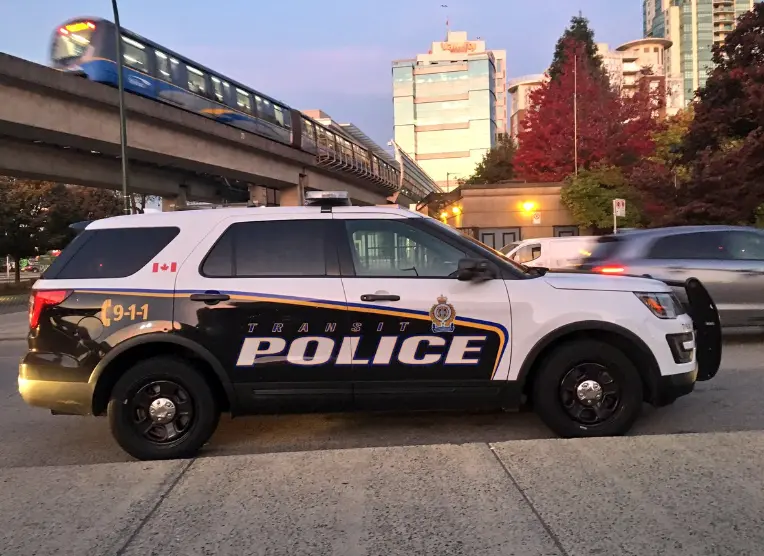
- Municipal policing (Vancouver Police Department, Delta Police Department, Surrey Police Service, Victoria Police Department, Transit Police and others)
- Federal policing through the Royal Canadian Mounted Police (RCMP)
While both careers involve serving and protecting Canadian communities, the hiring processes, training programs, and career paths differ significantly.
For municipal policing, applicants are hired directly by a police department before attending recruit training through the Justice Institute of British Columbia (JIBC).
RCMP applicants follow a separate national recruiting process and attend Depot Division in Regina, Saskatchewan. For the RCMP specifically, you can read our guide on how to become an RCMP officer
In this guide, I will walk you through the qualifications, hiring process, training requirements, and key steps required to become a police officer in British Columbia. Whether your goal is to join a municipal police department or the RCMP, understanding the process will help you become a stronger and more competitive applicant.
| Police Agency | Entrance Exam | Interview | Physical Assessment | Recruit Training |
|---|---|---|---|---|
| Vancouver Police Department (VPD) | ETHOS Exam | ICAR Interview | POPAT | JIBC Police Academy |
| Surrey Police Service (SPS) | ETHOS Exam | Structured Interview | POPAT | JIBC Police Academy |
| Delta Police Department (DPD) | ETHOS Exam | Structured Interview | POPAT | JIBC Police Academy |
| New Westminster Police Department (NWPD) | ETHOS Exam | Structured Interview | POPAT | JIBC Police Academy |
| Victoria Police Department (VicPD) | ETHOS Exam | Structured Interview | POPAT | JIBC Police Academy |
| Abbotsford Police Department (APD) | ETHOS Exam | Structured Interview | POPAT | JIBC Police Academy |
| Central Saanich Police Service | ETHOS Exam | Structured Interview | POPAT | JIBC Police Academy |
| Oak Bay Police Department | ETHOS Exam | Structured Interview | POPAT | JIBC Police Academy |
| West Vancouver Police Department | ETHOS Exam | Structured Interview | POPAT | JIBC Police Academy |
| Port Moody Police Department | ETHOS Exam | Structured Interview | POPAT | JIBC Police Academy |
| BC Transit Police | ETHOS Exam | Structured Interview | POPAT | JIBC Police Academy |
| RCMP (British Columbia) | RCMP Entrance Assessment | Structured Interview | PARE | RCMP Depot (Regina, SK) |
Note: While each police agency has its own recruitment process and hiring standards, most municipal police departments in British Columbia require applicants to complete the ETHOS Exam, participate in a competency-based interview, pass the Police Officer Physical Abilities Test (POPAT), and successfully graduate from the Justice Institute of British Columbia (JIBC) Police Academy. The RCMP follows a separate national recruitment process that includes the RCMP Entrance Assessment, the Physical Abilities Requirement Evaluation (PARE), and training at Depot Division in Regina, Saskatchewan.Career Opportunities for Police Officers in British Columbia
British Columbia police agencies continue to recruit qualified applicants as departments replace retiring officers and respond to the needs of growing communities.
Applicants interested in policing in British Columbia have several career options, including municipal police departments and the Royal Canadian Mounted Police (RCMP).
Some of the largest police agencies hiring in British Columbia include:
- Vancouver Police Department (VPD)
- Surrey Police Service (SPS)
- Delta Police Department (DPD)
- Victoria Police Department (VicPD)
- New Westminster Police Department (NWPD)
- BC Transit Police
- Central Saanich Police Service
- Oak Bay Police Department
- Royal Canadian Mounted Police (RCMP)
While the hiring process varies slightly across agencies, most police services in British Columbia assess applicants on core competencies such as integrity, ethical accountability, communication skills, decision-making, critical thinking, leadership, and community involvement. Developing these qualities before applying can significantly improve an applicant’s chances of success.
Each agency offers unique opportunities, specialized units, and career advancement pathways. Officers may eventually work in areas such as major crime investigations, traffic enforcement, gang suppression, community policing, emergency response teams, marine units, canine units, intelligence sections, or leadership positions.
For most applicants, the first step is not deciding what specialty they want to work in.
The focus should be on becoming a strong, competitive applicant who can successfully navigate the police hiring process and earn a recruit position with a police service.
Minimum Qualifications to Become a Police Officer in British Columbia
While specific hiring requirements vary slightly between police agencies, most departments in British Columbia assess applicants against a common set of minimum standards. Meeting these requirements does not guarantee success in the hiring process, but applicants must satisfy them before being considered for a recruit position.
Typical minimum requirements include:
- Being at least 19 years of age
- Canadian citizenship or permanent resident status
- A Canadian high school diploma or equivalent
- A valid BC Class 5 driver’s licence with a safe driving record
- Current First Aid and CPR certification
- Good physical fitness and overall health
- Meeting vision and hearing standards
- Demonstrating good character and integrity
- No criminal convictions that would prevent employment as a police officer
- No outstanding criminal charges before the courts
It is important to understand that meeting the minimum requirements simply makes an applicant eligible to apply. Most successful candidates exceed the minimum standards through education, employment experience, volunteer work, leadership opportunities, community involvement, and a demonstrated commitment to public service.
As competition for police recruit positions continues to increase, agencies are often looking for applicants who can demonstrate maturity, sound judgement, ethical decision-making, strong communication skills, and a proven track record of personal accountability.
Before applying, candidates should review the specific recruiting requirements of the police agency they are interested in joining, as some departments may have additional expectations or preferred qualifications.

Preferred Qualifications for Police Applicants in British Columbia
While these qualifications are not mandatory, they can help applicants become more competitive during the police hiring process.
Relevant Work and Volunteer Experience
Police agencies look for applicants who have demonstrated responsibility, leadership, and service to others. Volunteer work, coaching, mentoring, community involvement, customer service, corrections, security, military service, emergency services, and leadership positions can all strengthen an application.
The earlier you begin building meaningful life and work experience, the stronger your application is likely to be.
Education
Post-secondary education is not required by most police agencies in British Columbia; however, many successful applicants have completed college diplomas, trade certifications, apprenticeships, or university degrees.
Fields of study commonly pursued by police applicants include:
- Criminology
- Psychology
- Business
- Sociology
- Public Administration
- Communications
- Trades and Technical Programs
Police services generally place greater value on a candidate’s overall life experience, maturity, judgement, and demonstrated success than on any specific degree program.
Second Language and Cultural Awareness
British Columbia is one of Canada’s most culturally diverse provinces. Applicants who speak a second language or possess strong cultural awareness may have an advantage when working with diverse communities.
Languages commonly spoken throughout British Columbia, including Mandarin, Cantonese, Punjabi, Korean, Tagalog, Spanish, and Indigenous languages, can be valuable assets in policing.
Ultimately, police agencies are looking for well-rounded applicants who demonstrate integrity, ethical accountability, communication skills, leadership, community involvement, and a genuine commitment to public service.
Police Officer Application Process in British Columbia
While the exact hiring process varies between police agencies, most departments in British Columbia follow a similar recruitment model designed to assess an applicant’s suitability for a career in policing.
The process can take anywhere from six months to more than a year, depending on the police agency, the number of applicants, and the complexity of background investigations.
Most applicants can expect to complete some or all of the following stages:
1. Application Screening
The process begins with the submission of an application package. Recruiters review an applicant’s qualifications, education, employment history, driving record, volunteer experience, and overall suitability before advancing candidates to the next stage.
2. Written Testing and Assessments
Many police agencies require applicants to complete written assessments that evaluate communication skills, reasoning ability, critical thinking, memory, observation, and problem-solving skills.
In BC, most police departments require you to have passed the ETHOS exam, and you can see sample questions on our Ethos practice exam page
3. Police Interviews
Applicants who successfully pass the initial stages are typically invited to one or more interviews. These may include screening interviews, behavioural interviews, panel interviews, human resources interviews, and interviews with senior police leaders.
Interview performance is often one of the most important stages of the hiring process.
4. Background Investigation
A comprehensive background investigation examines an applicant’s employment history, education, finances, driving record, social media presence, personal conduct, references, and overall suitability for a policing career.
5. Psychological, Medical, and Occupational Assessments
Applicants who advance through the recruitment process may be required to complete psychological assessments, medical examinations, vision and hearing testing, occupational health assessments, and other evaluations designed to ensure they can safely perform the duties of a police officer.
6. Conditional Offer and Recruit Training
Successful applicants may receive a conditional offer of employment and begin recruit training. Municipal police recruits in British Columbia typically attend the Justice Institute of British Columbia (JIBC), while RCMP recruits attend Depot Division in Regina, Saskatchewan.
Competition Is Strong
It is important to understand that applicants can be removed from the process at any stage. Meeting the minimum qualifications does not guarantee employment.
Police agencies select candidates who demonstrate strong communication skills, integrity, ethical accountability, leadership, decision-making, community involvement, and the ability to perform effectively under pressure.
The goal should not simply be to meet the minimum requirements, but to become a highly competitive applicant capable of successfully navigating every stage of the selection process.
The application process for police officers in British Columbia (B.C.), as well as across Canada, typically adheres to a standardized procedure involving a sequence of interviews, assessments, and examinations; it varies from department to department but will include:
- Screening interviews
- Panel interviews
- Human Resources interview
- Inspector’s interview
- Background investigation
- Physical examinations
- Written intake exam
- Polygraph exam
- Occupational health assessment
- Psychological exam
- Medical exams
Applicants may be rejected at any stage of the application process in most police agencies. Furthermore, even if an applicant successfully clears all stages, there is no guarantee of employment.
The selection process prioritizes the most suitable candidates from the applicant pool, those who successfully navigate each stage.
Upon selection, candidates undergo training, which constitutes a conditional employment offer. Completing this training program is mandatory for candidates to qualify as police officers.
What Written Exams Are Required to Become a Police Officer in British Columbia?
Most police applicants in British Columbia will be required to complete one or more written assessments as part of the hiring process.
The specific exam depends on the police agency you apply to, but ETHOS is the main exam for all BC based police departments
Municipal Police Departments
Many municipal police agencies in British Columbia use the ETHOS Exam as part of their recruitment process. The ETHOS Exam evaluates skills that are essential for police work, including:
- Memory and observation
- Reading comprehension
- Critical thinking
- Report writing and summarization
- Grammar, editing, and written communication
The exam is designed to assess whether applicants possess the communication and analytical skills required to perform the duties of a police officer.
You can try a free Ethos practice exam here
Royal Canadian Mounted Police (RCMP)
Applicants pursuing a career with the RCMP must complete the RCMP Online Entrance Assessment.
The assessment evaluates several competencies, including:
- Workstyle preferences
- Language comprehension
- Numerical reasoning
- Spatial reasoning
- Memory skills
- Business reasoning
The RCMP uses these assessments to identify candidates who possess the aptitude and judgement required for a policing career.
You can try a free RCMP Practice exam here
Preparing for Police Entrance Exams
Strong performance on written assessments can significantly improve an applicant’s chances of progressing through the hiring process. Applicants should familiarize themselves with the exam format, practice under timed conditions, and identify any areas requiring improvement before testing.
You can learn more about the ETHOS Exam, including free sample questions and preparation strategies, by visiting our ETHOS Exam Guide and Free ETHOS Practice Test resources.
What Physical Tests Are Required to Become a Police Officer in British Columbia?
Physical fitness is an important component of the police hiring process. Police officers must be capable of performing physically demanding duties, including pursuing suspects, overcoming obstacles, controlling resistant individuals, and carrying equipment under stressful conditions.
Many police agencies in British Columbia use a physical abilities assessment such as the Peace Officer Physical Abilities Test (POPAT) or a similar job-related fitness evaluation.
Applicants pursuing a career with the RCMP may be required to complete the Physical Abilities Requirement Evaluation (PARE) or another approved physical assessment.
These tests are designed to simulate the physical demands of policing and commonly include:
- Running and agility components
- Obstacle navigation
- Stair climbing
- Push and pull resistance exercises
- Controlled body movement and balance assessments
- Weighted carries or drags
Physical standards and testing requirements may vary between agencies, and applicants should confirm the current requirements directly with the police service to which they are applying.
Preparing for Physical Testing
Many applicants underestimate the importance of physical preparation and only begin training once they receive a testing date. In my experience coaching police applicants, the most successful candidates treat fitness as part of their overall applicant readiness long before they submit an application.
A well-rounded fitness program should focus on:
- Cardiovascular endurance
- Functional strength
- Agility and mobility
- Core stability
- Injury prevention
Police agencies are not looking for elite athletes. They are looking for applicants who can safely and effectively perform the physical demands of policing while demonstrating discipline, consistency, and commitment to personal wellness.
Physical testing is only one component of the hiring process, but failing a fitness assessment can eliminate an otherwise strong candidate from competition. Applicants should begin preparing early and maintain their fitness throughout the recruitment process.
How Long Does It Take to Become a Police Officer in British Columbia?
One of the most common questions aspiring police officers ask is how long the hiring process takes. Unfortunately, there is no single answer.
The timeline varies depending on the police agency, the number of applicants being processed, the complexity of background investigations, and how quickly an applicant progresses through each stage of recruitment.
As a general guideline, applicants should expect the hiring process to take anywhere from six months to eighteen months from application to recruit training.
A typical timeline may include:
- Application submission and screening
- Written testing and assessments
- Police interviews
- Background investigation
- Psychological and medical assessments
- Conditional offer of employment
- Recruit training
For municipal police agencies in British Columbia, recruit training is typically completed through the Justice Institute of British Columbia (JIBC) after a candidate has been hired.
RCMP applicants follow a separate national recruiting process and complete recruit training at Depot Division in Regina, Saskatchewan. RCMP cadet training is approximately 26 weeks in duration.
The key takeaway for applicants is that becoming a police officer is not a quick process. Successful candidates often spend months preparing before they even submit an application. Building relevant work experience, volunteer hours, leadership experience, physical fitness, and interview skills early can significantly improve an applicant’s chances of success.
Patience is important. The police hiring process is designed to identify candidates who possess the integrity, judgement, maturity, and resilience required for a career in law enforcement.
Things That May Prevent You From Becoming a Police Officer in British Columbia
Many applicants focus exclusively on passing the written exam, physical test, or interview. However, police agencies evaluate the whole person throughout the recruitment process.
While every application is assessed individually, the following issues commonly prevent otherwise interested applicants from being hired:
Integrity and Honesty Concerns
Integrity is one of the most important qualities police agencies look for. Providing false information, omitting important details, or attempting to mislead investigators during any stage of the recruitment process can result in disqualification.
Criminal Activity and Illegal Drug Use
Past criminal behaviour, ongoing criminal associations, recent illegal drug use, or patterns of poor decision-making may negatively affect an applicant’s suitability for policing.
Poor Driving Record
Repeated traffic violations, licence suspensions, impaired driving offences, or a history of unsafe driving can raise concerns during the background investigation.
Unsatisfactory Employment History
A pattern of disciplinary issues, poor work performance, frequent job terminations, attendance concerns, or conflicts with supervisors may affect an applicant’s competitiveness.
Financial Responsibility Concerns
Police agencies may review an applicant’s financial history as part of the background investigation. Significant unresolved financial issues, poor financial judgement, or a lack of responsibility may raise concerns.
Physical, Medical, or Psychological Limitations
Applicants must be capable of safely performing the duties of a police officer. Medical, physical, or psychological assessments help determine whether candidates can meet the profession’s occupational requirements.
Inability to Work Shift Schedules
Police officers work days, evenings, nights, weekends, holidays, and overtime when required. Applicants must be willing and able to work rotating schedules throughout their careers.
Poor Interview Performance
Many otherwise qualified applicants are unsuccessful because they are unable to effectively demonstrate their competencies, life experience, judgement, communication skills, and suitability during the interview process.
Becoming a Competitive Applicant
Police agencies are not simply looking for candidates who meet the minimum requirements. They are seeking individuals who demonstrate integrity, ethical accountability, leadership, maturity, sound judgement, community involvement, and a commitment to public service.
The strongest applicants focus on developing these qualities long before they submit an application.
FAQ
How Long Does It Take to Become a Police Officer in BC?
The time it takes to become a police officer in British Columbia varies depending on the agency and the applicant. Most municipal police agencies and the RCMP have a recruitment process that can take anywhere from 6 to 18 months. The process typically includes an application review, entrance testing, interviews, a background investigation, a psychological assessment, a medical examination, and a security clearance. Applicants who are well-prepared and respond quickly to recruiters’ requests often move through the process more efficiently.
Do I Need a Degree to Become a Police Officer in BC?
No. Most police agencies in British Columbia do not require a university degree to apply. The minimum educational requirement is typically a high school diploma or equivalent. However, post-secondary education can strengthen your application and demonstrate maturity, communication skills, and commitment to personal development. Many successful applicants have completed college diplomas, university degrees, trades training, military service, or other professional qualifications.
Do I Need the ETHOS Exam?
Many municipal police agencies in British Columbia use the ETHOS Police Applicant Assessment as part of their recruiting process. Agencies such as Vancouver Police, Surrey Police Service, New Westminster Police Department, Delta Police Department, and several others may require applicants to successfully complete the ETHOS exam before advancing in the hiring process. The assessment evaluates skills such as reading comprehension, written communication, critical thinking, observation, and memory. Applicants should verify the current requirements directly with the agency they are applying to.
RCMP vs Municipal Police
Applicants in British Columbia can choose between pursuing a career with the RCMP or a municipal police department. The RCMP offers opportunities to work across Canada and serves federal, provincial, and municipal policing roles. Municipal police agencies generally operate within a specific city or region and often allow officers to build long-term careers in one community. Both career paths offer competitive salaries, benefits, specialized units, and opportunities for advancement. The best choice depends on your career goals, lifestyle preferences, and willingness to relocate.
Minimum Age Requirements
Most police agencies in British Columbia require applicants to be at least 19 years old at the time of appointment. Applicants must also be legally entitled to work in Canada and possess a valid driver’s licence. While meeting the minimum age requirement allows you to apply, agencies also assess maturity, life experience, judgment, and community involvement when evaluating candidates.
Vision Requirements
Police officers must be able to perform their duties safely and effectively, which includes meeting vision standards. Most agencies require applicants to have acceptable corrected vision using glasses or contact lenses. Vision requirements may vary between agencies, and applicants who have undergone corrective eye surgery may be subject to additional waiting periods or medical review. Candidates should review the specific vision standards of the police service they are applying to before beginning the process.
Criminal Record Considerations
Having a criminal record does not automatically disqualify every applicant, but serious criminal convictions, ongoing criminal activity, or evidence of dishonesty can significantly impact eligibility. Police agencies conduct extensive background investigations that examine criminal history, driving records, financial responsibility, employment history, social media activity, and personal conduct. Applicants are expected to be completely honest throughout the hiring process. In many cases, integrity concerns create greater challenges than past mistakes that have been disclosed openly and honestly.
In conclusion, there is no easy path. The earlier you start preparing for your prerequisites, the higher your success rate.
Contact us at anEDGE to coach you through your law enforcement application process.